GLADYS WONG Energy Healer, Spiritual Counselor & Writer
First Published: July 1, 2012

According to Traditional Chinese Medicine, anger stemmed from the liver
I want to share a bit of my journey into the fascinating realm of emotions—and how a blend of observation, cultural wisdom, and personal practice has helped me find peace and balance in the whirlwind of life.
Life has always been an endless story for me. I find myself captivated by the tiniest details, whether following the path of a determined ant or observing the subtle changes in people’s expressions as they navigate daily life. Beneath the smiling faces I often see lies a spectrum of emotions—some beautifully serene, others marked by hidden stress.
What intrigues me most is the outward display of emotions and the rich inner world they reveal. From the flicker of an eye to the rhythm of a breath, small cues offer a glimpse into the private theater of the mind. I’ve learned that emotions, these intangible yet powerful feelings, are deeply connected to our physical and mental well-being. I know my constant emotional ups and downs; however, I find emotions difficult to control.
Back in high school, my understanding of emotions was put to the test. My classmates often teased me, stirring up my anger so much that I retreated into silence. They joked that I had “Jing Shen Bing” (mental disorder), a phrase that struck me profoundly and piqued my curiosity. Though intended in jest, this label led me to discover Traditional Chinese Medicine (TCM) and how it perceives emotional health.
According to TCM, our emotional state is intricately linked to the balance of our internal organs. Overworked organs, whether by stress or poor diet, can lead to emotional disturbances. For example, liver stress might manifest as anger or frustration, while heart stress can lead to anxiety or depression. The interplay between body and mind is profound, and it opened my eyes to the possibility of healing from within.
Understanding these connections and being determined to find harmony, I began addressing my emotional health through practices that align the body and mind. I embarked on a journey of self-care, which included dietary changes, adopting a healthier lifestyle, and incorporating regular exercise. As my physical health improved—I shed 20 pounds in six months—I noticed my sugar cravings faded, and my mood became more stable. This newfound balance and resilience empowered me to release the stigma associated with the ‘Jing Shen Bing’ label, allowing me to heal from within holistically.
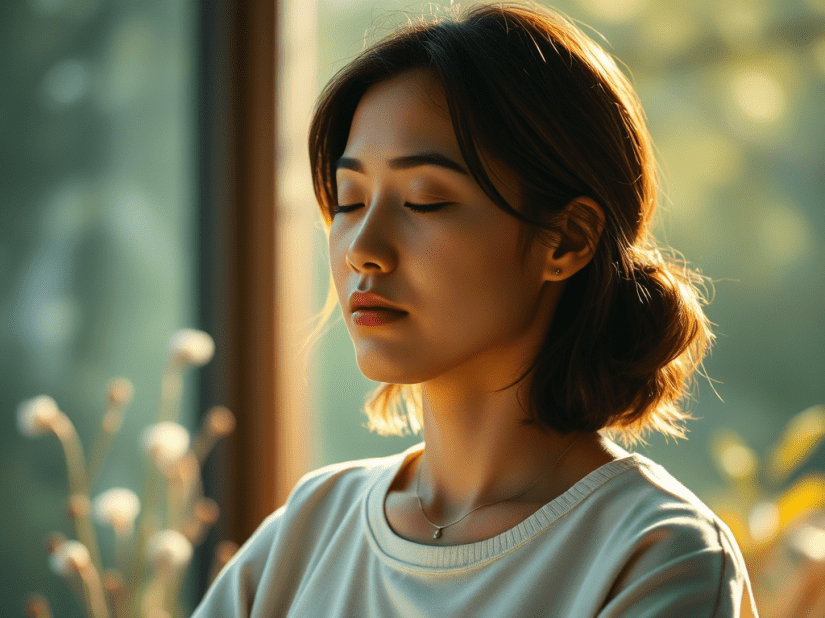
A crucial part of this self-care journey was meditation. Meditation is a tool I use to delve into the depths of my subconscious mind, revealing insights and fostering acceptance. Delving into the subconscious through meditation can reveal deep-seated beliefs or emotions that need addressing. As these insights emerge, meditation helps you approach them with acceptance and understanding, paving the way for healing and personal growth.
During meditation, we become more attuned to our internal dialogue; we recognize patterns of self-criticism or frustration. By observing these thoughts without judgment, we can understand their origins and impact, fostering a sense of compassion towards ourselves.
Meditation has become my sanctuary. It allows me to disconnect from the chaos, focus on my chanting or breathing, and let my thoughts flow freely. With frequent practice, I’ve learned to forgive myself for the negative emotions I’ve harbored and to release frustration from my heart.
In our fast-paced, multicultural world, getting caught up in endless analysis and overthinking is easy. These mental patterns can turn into imagined scenarios—untrue stories that cause stress and hinder our ability to experience life fully. Meditation taught me to embrace my emotions rather than suppress them, allowing me to release them through mindful acknowledgment. To avoid emotional injuries, I learned to set boundaries and respect the space of others. Being aware of my emotions lowered my expectations and allowed me to find contentment and inner peace.
As I continue to observe the world around me, I’ve come to appreciate the delicate balance between our physical and emotional selves. This balance requires nurturing, patience, and an open heart—none of which I take for granted on this continuous journey of self-discovery.
I hope my story inspires you to explore and embrace your emotional landscape with curiosity and compassion. By taking the time to understand and nurture your emotions, you pave the way for a more balanced and fulfilling life. Here’s to finding peace and joy in the little details, celebrating each step of your journey toward emotional well-being.
Anger is an acid that can do more harm to the vessel in which it is stored than to anything on which it is poured.” ~ Mark Twain.
Photo credit: WordPress.com
Energy Healing, Distance Healing, Spiritual Consultation, Spiritual Writing
 Gladys Wong CMT MIM